Bankruptcy Alternatives — Chicago Debt Relief Options
Bankruptcy Alternatives — Chicago Debt Relief Options
Bankruptcy is a powerful tool, but it is not the only option for dealing with overwhelming debt. Attorney Veronica D. Joyner helps Chicago-area clients understand all of their options so they can make the best decision for their situation. Here is an overview of the most common bankruptcy alternatives — and when bankruptcy may still be the better choice.
Debt Consolidation
Debt consolidation involves combining multiple debts into a single loan, ideally at a lower interest rate. This can simplify your payments and reduce the total interest you pay over time. However, consolidation loans typically require good credit, and they do not reduce the principal amount you owe. If you are already behind on payments or have damaged credit, you may not qualify for a favorable consolidation loan.
Debt Settlement / Negotiation
Debt settlement involves negotiating with creditors to accept less than the full amount owed. Some creditors will agree to settle for 40–60 cents on the dollar, particularly on older accounts. However, settled debts may be reported as 'settled for less than full amount' on your credit report, and the forgiven amount may be treated as taxable income. Settlement also does not stop collection actions or lawsuits while negotiations are ongoing.
Credit Counseling and Debt Management Plans
Nonprofit credit counseling agencies can help you set up a Debt Management Plan (DMP), through which you make a single monthly payment to the agency, which then distributes funds to your creditors. Creditors may agree to reduce interest rates as part of a DMP. This approach works best for people with steady income who can afford to repay their debts in full over 3–5 years, just at reduced interest.
Negotiating Directly with Creditors
In some cases, you may be able to negotiate directly with creditors for hardship programs, temporary payment reductions, or interest rate relief. This works best before accounts go to collections and before lawsuits are filed. Once a creditor has obtained a judgment against you, your options narrow significantly.
Doing Nothing (Judgment-Proof Status)
If your income is entirely exempt from garnishment (such as Social Security or disability benefits) and you have no non-exempt assets, you may be 'judgment-proof' — meaning creditors cannot collect from you even if they sue. In this situation, doing nothing may be a viable short-term strategy. However, this does not eliminate the debt, and your situation may change.
When Bankruptcy Is the Better Choice
Bankruptcy provides protections that no alternative can match: the automatic stay immediately stops foreclosure, garnishment, and creditor harassment; the discharge permanently eliminates eligible debts; and the process is governed by federal law with clear rules and timelines. If you are facing foreclosure, wage garnishment, or lawsuits from multiple creditors, bankruptcy is often the fastest and most comprehensive solution. Attorney Joyner can help you compare all of your options and choose the path that makes the most sense for your family.
Not sure which option is right for you? Call or text us for a free consultation.
312-332-9001Se Habla Español
Call or text today to set up a FREE initial consultation.


From your cell: Text Now | Call Now
Facsimile: 312-332-9003
GET DIRECTIONS TO OUR LOOP OFFICE LOCATION IN DOWNTOWN CHICAGO
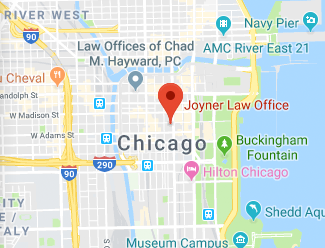 Joyner Law Office
120 South State Street
Chicago, Illinois 60603